Every musician we support proves a simple truth: the limits on music are artificial. We're here to remove them.
The First Bionic Drummer
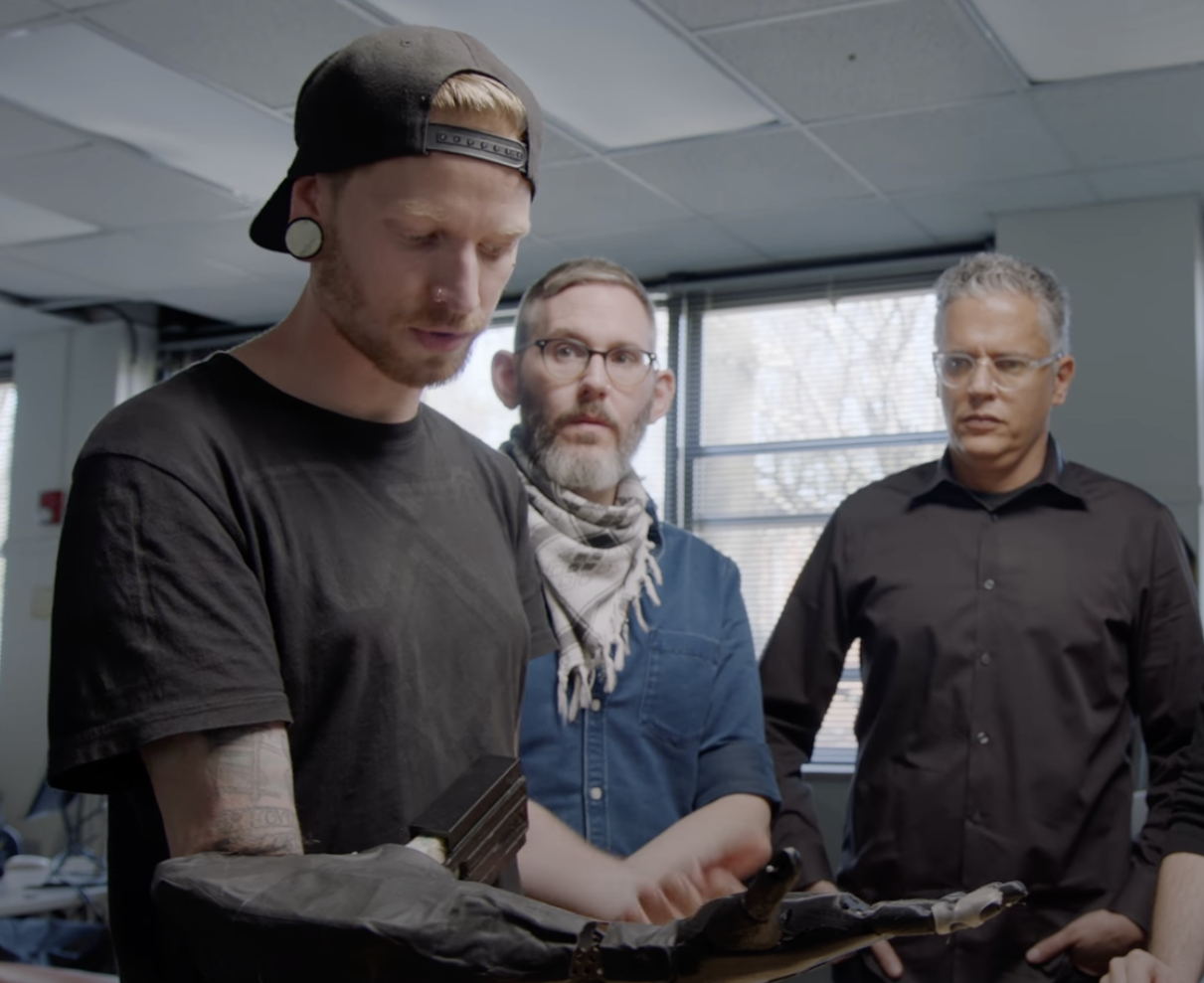
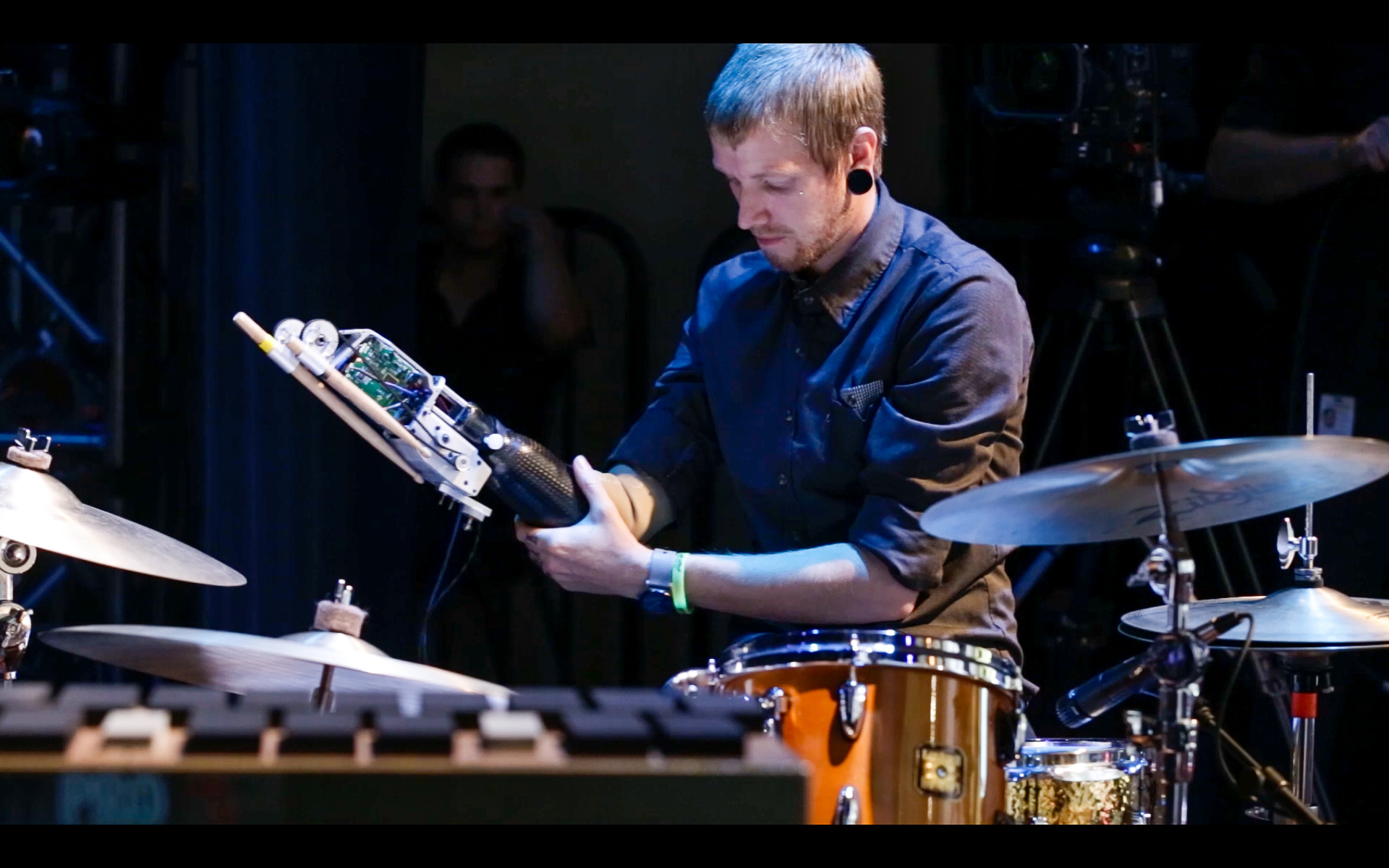
In 2012, Jason Barnes lost his right arm in a workplace accident that changed the course of his life — and ultimately, the future of adaptive music technology.
Rather than give up drumming, Jason partnered with engineers at Georgia Institute of Technology to build something that had never existed: a robotic drumming prosthetic powered by EMG (electromyography) sensors and Google TensorFlow. The device detects subtle electrical signals from residual muscle tissue and translates them into precise, expressive drumstrokes in real time.
In 2014, he held a Guinness World Record for the fastest drumming by a single arm. His story went on to be featured in Rolling Stone, The New York Times, The Guardian, and Amplitude Magazine. He performed alongside Fred Armisen in the "Two Drummers" collaboration, broadcast nationally.
Jason co-founded Limitless Sound Foundation to make sure that what happened for him — access to technology, mentorship, and community — becomes available to every musician who needs it.
Back on Tour with The Ghost Inside
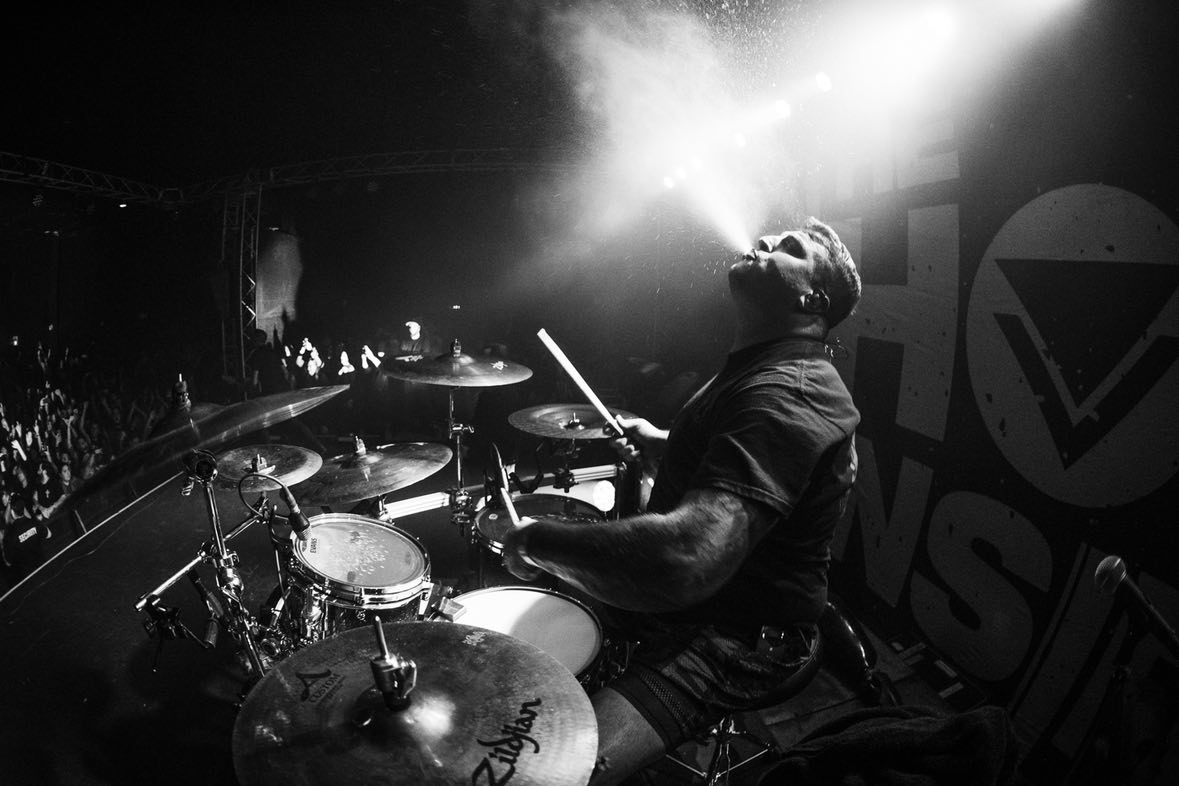
Andrew Tkaczyk was in his prime as a touring drummer when a devastating accident resulted in the amputation of his right leg. For most, that would mean the end of a touring career. For Andrew, it was the beginning of a new chapter.
With adaptive prosthetics and the support of a community that refused to let him quit, Andrew returned to the kit. He's now touring full-time as the drummer for The Ghost Inside — performing in front of sold-out crowds around the world.
Andrew's story is what happens when technology meets determination, and when a community says: we built this for you. Keep playing.
Back on the Kit
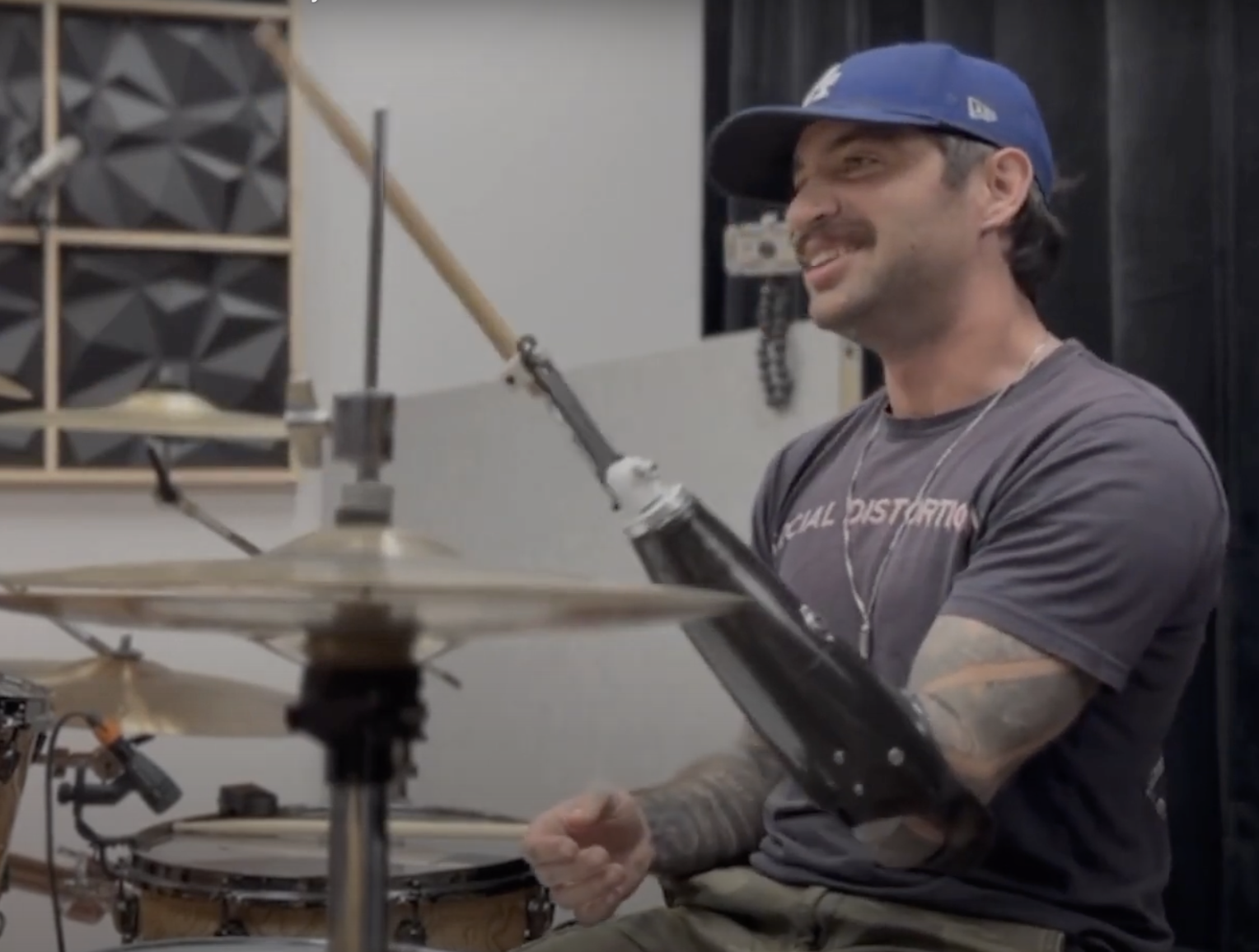
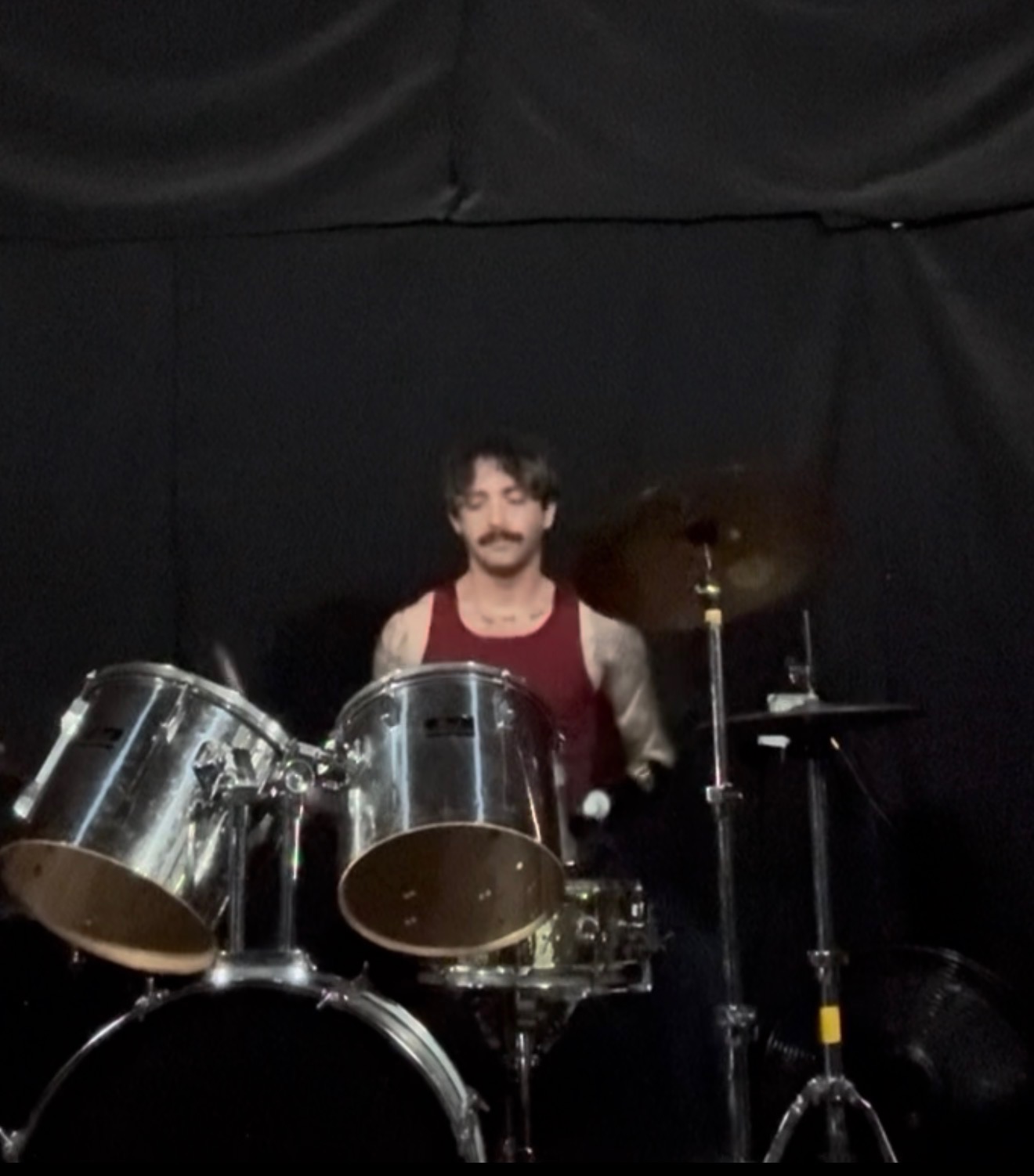
When Josh lost his left hand in an accident, the music didn't stop — it just needed a new path. Through Limitless Sound Foundation, Josh received a custom drumming prosthetic designed around his specific anatomy and playing style.
He's back on the kit. That's not a metaphor — it's the outcome of adaptive engineering meeting real need.
Josh's story is one of many we're honored to be part of. The technology changes. The mission doesn't: every musician deserves the chance to play.
Georgia Tech · Ultrasound Robotics
What if you could control a robotic hand using nothing but the sound waves inside your own body? That's not science fiction — it's the Skywalker Hand, developed at Georgia Institute of Technology.
Using ultrasound imaging to detect muscle movement beneath the skin — even from residual tissue below an amputation site — the Skywalker Hand gives musicians with upper-limb differences the ability to play piano, guitar, and keyboard with both hands.
This technology sits at the bleeding edge of what's possible. And it plays music.
Drumming from a Wheelchair
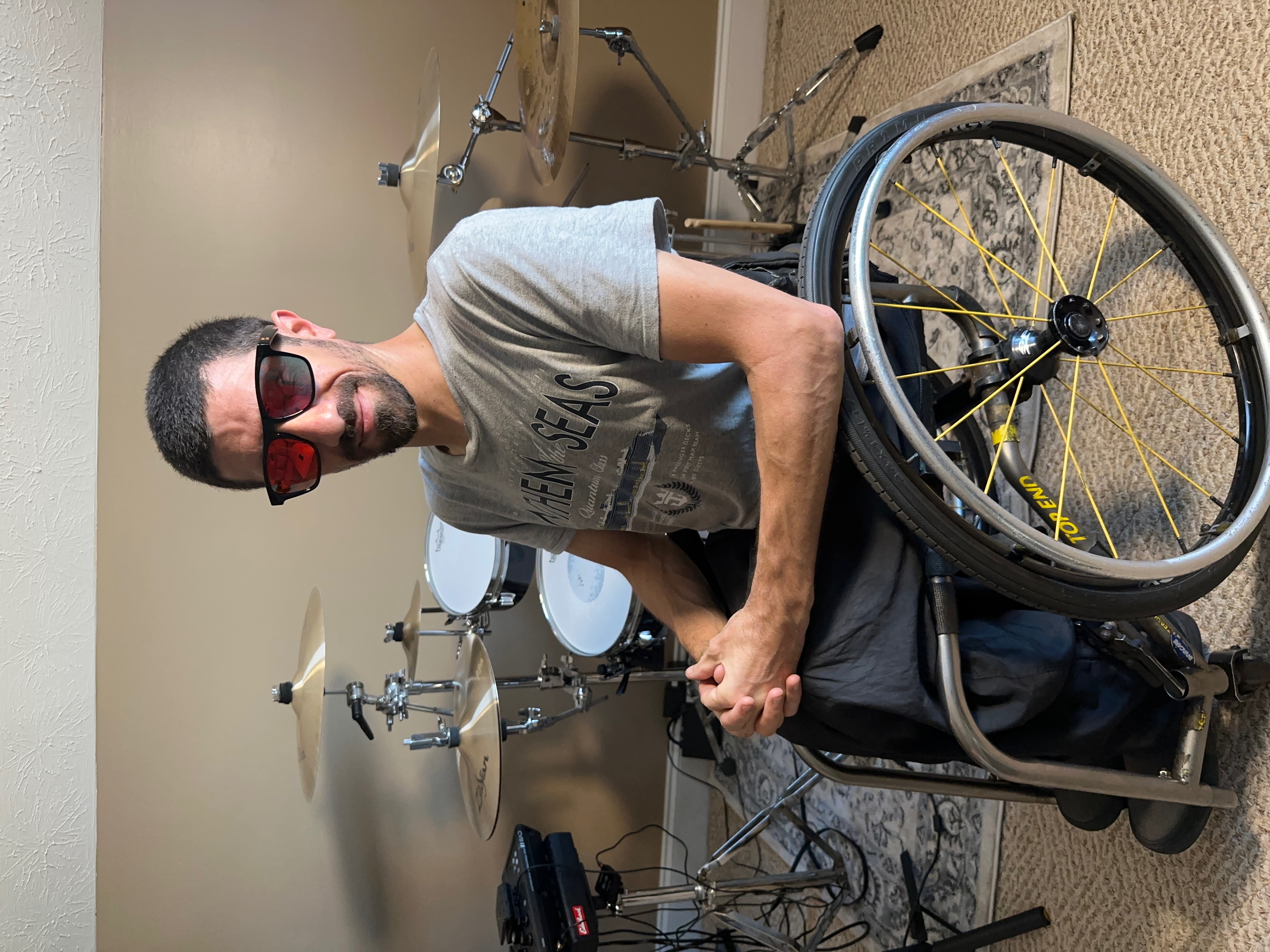
Will Rowden is a drummer who performs in a wheelchair — and his playing makes the wheelchair irrelevant. Where most people see a limitation, Will sees a different way to approach the instrument.
He plays kick drum by rocking his wheelchair forward and back, using the momentum of the chair itself to drive the bass drum. What started as adaptation became technique — and technique became identity.
Featured in an interview with Drum Talk TV, Will's story is what happens when passion refuses to accept limits. He's currently working with Limitless Sound Foundation on a safer, more stable adaptive kick pedal platform that can support other drummers in wheelchairs.
These musicians are in active projects with us right now. Every donation helps move their work forward.
An autistic musician working toward releasing original music. Studio time, mentorship, production, mixing, and mastering to help him complete a professional debut album.
Josh lost his hand at 29 and built a spring-loaded prosthetic to get back on the kit. This project refines his setup for better speed, control, and durability.
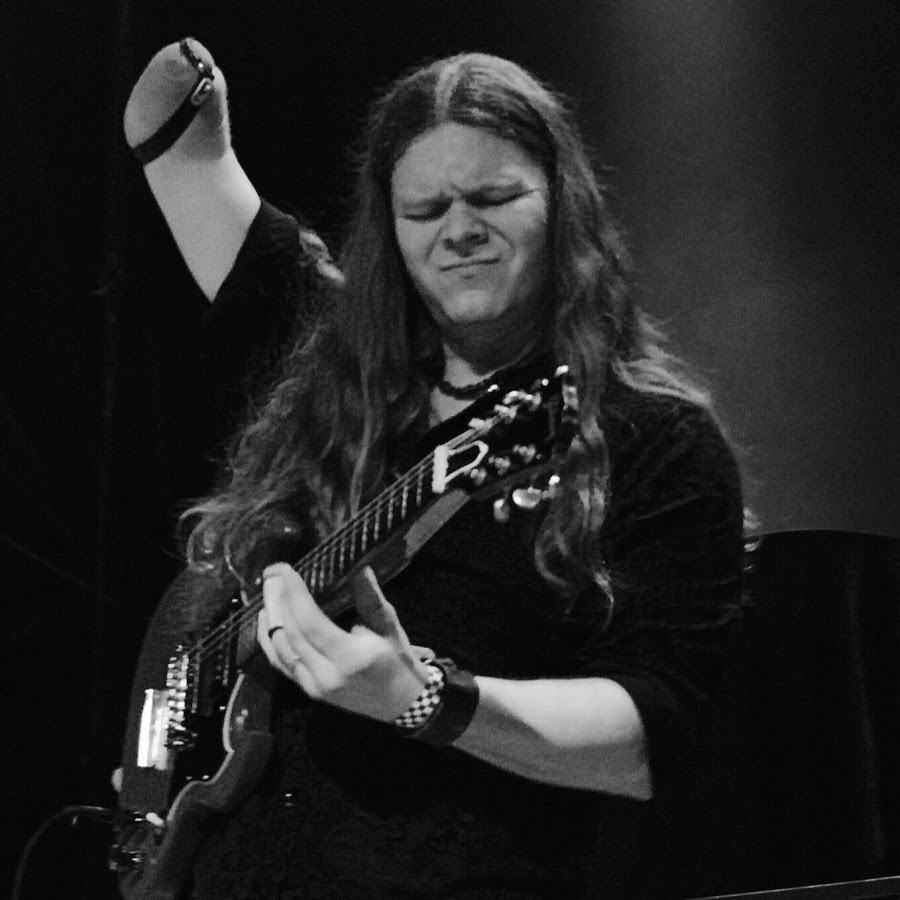
Lefty wraps a custom arm band around his residual limb that holds a pick attachment — allowing him to play guitar with control and expression. This project refines that band-and-pick system into a repeatable design for other guitarists with similar limb differences.
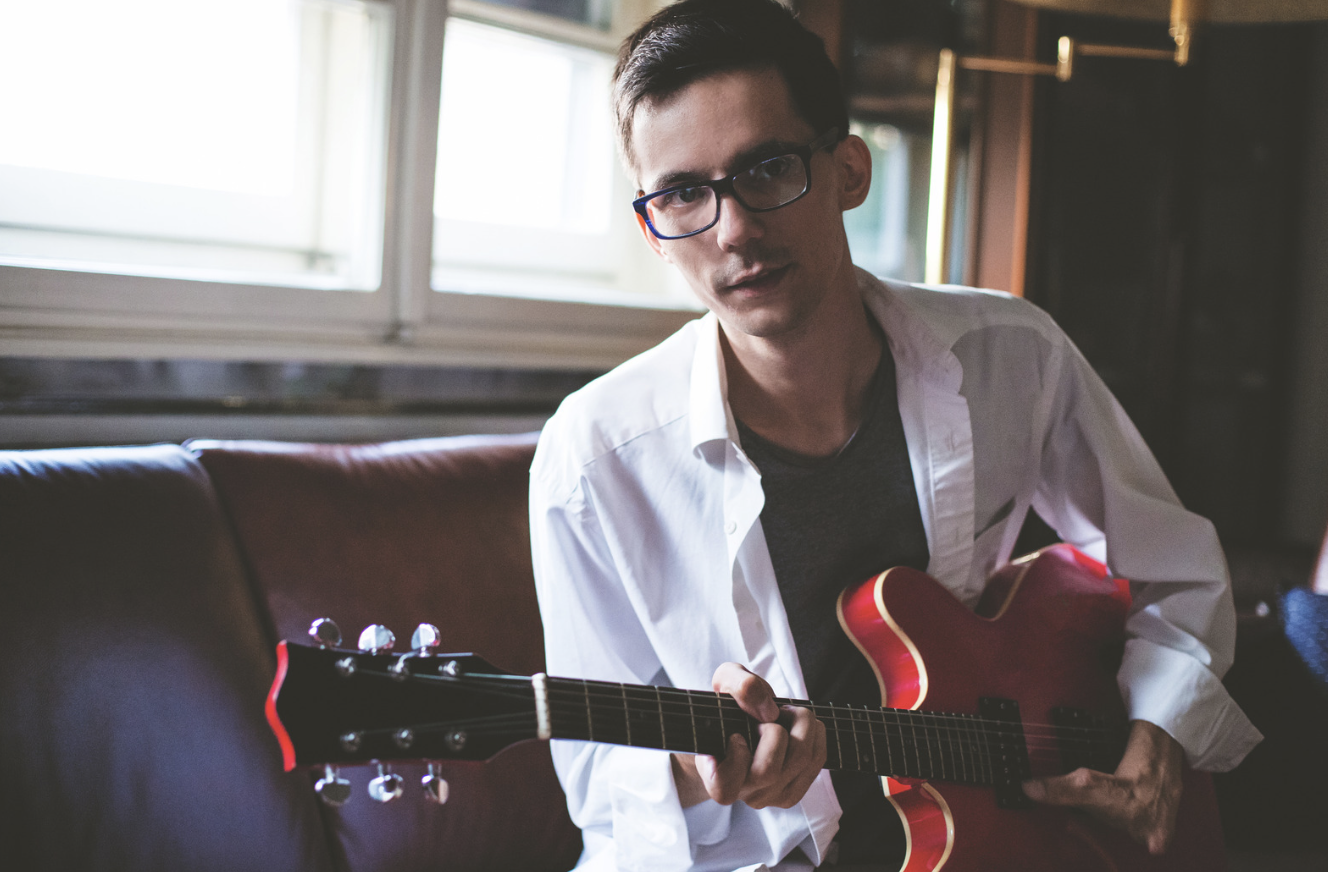
Missing two fingers on his right hand, Kyle needs adaptive grip and pick-holding solutions to play with consistency — a design scalable to other musicians with partial hand differences.
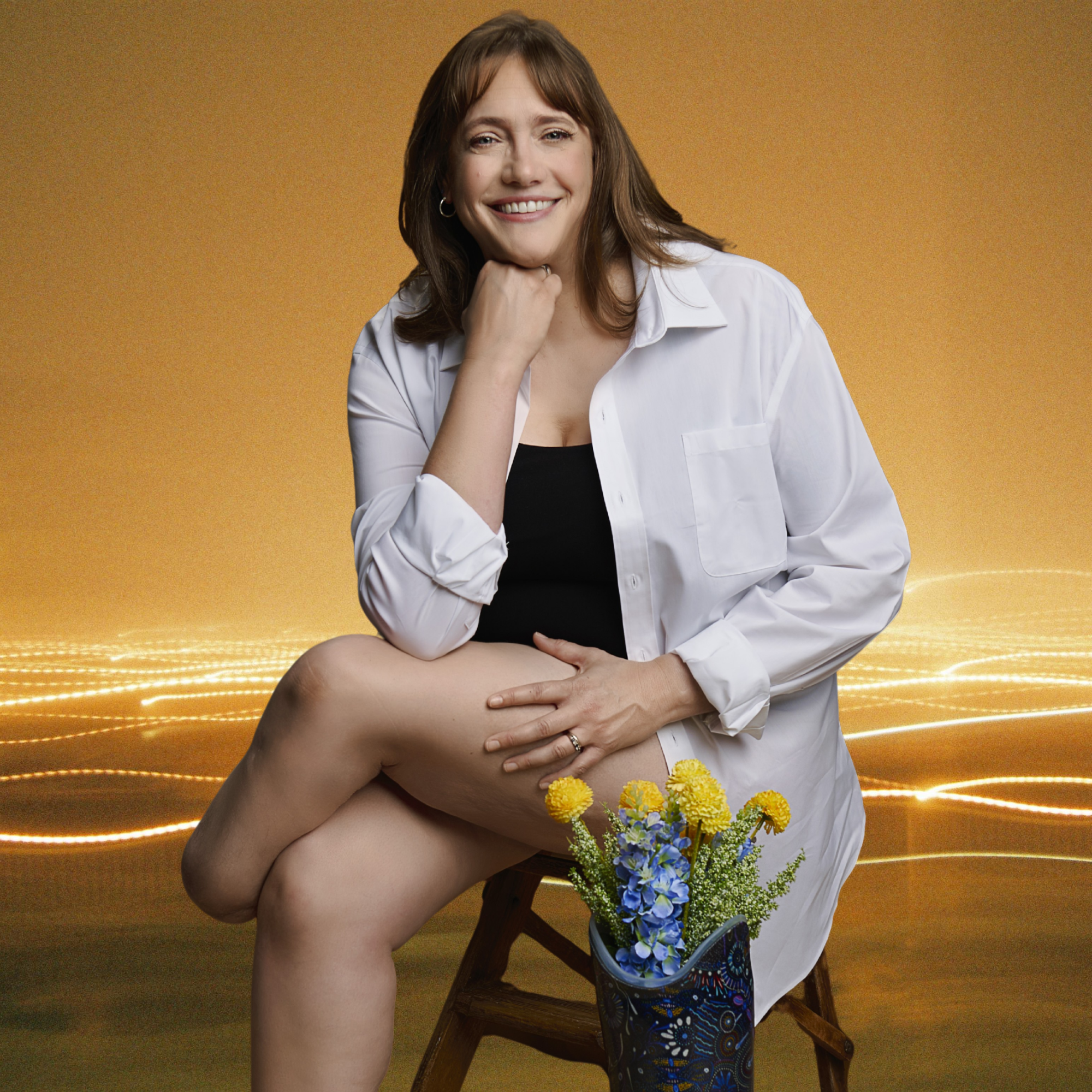
A harpist missing her right leg below the knee. This project creates an adaptive prosthetic solution for precise harp pedal control — one of the most mechanically specific challenges we've taken on.
Will plays kick drum by rocking his wheelchair. This project builds a stable adaptive kick pedal platform that protects the chair and gives him reliable bass drum control.
Jesse invented the Parapedal — a mouth-trigger kick drum system. This project refines it into a reliable, comfortable, expressive controller for wheelchair drummers.
Every donation funds the next Jason, the next Andrew, the next Josh. Real tools. Real musicians. Real impact.